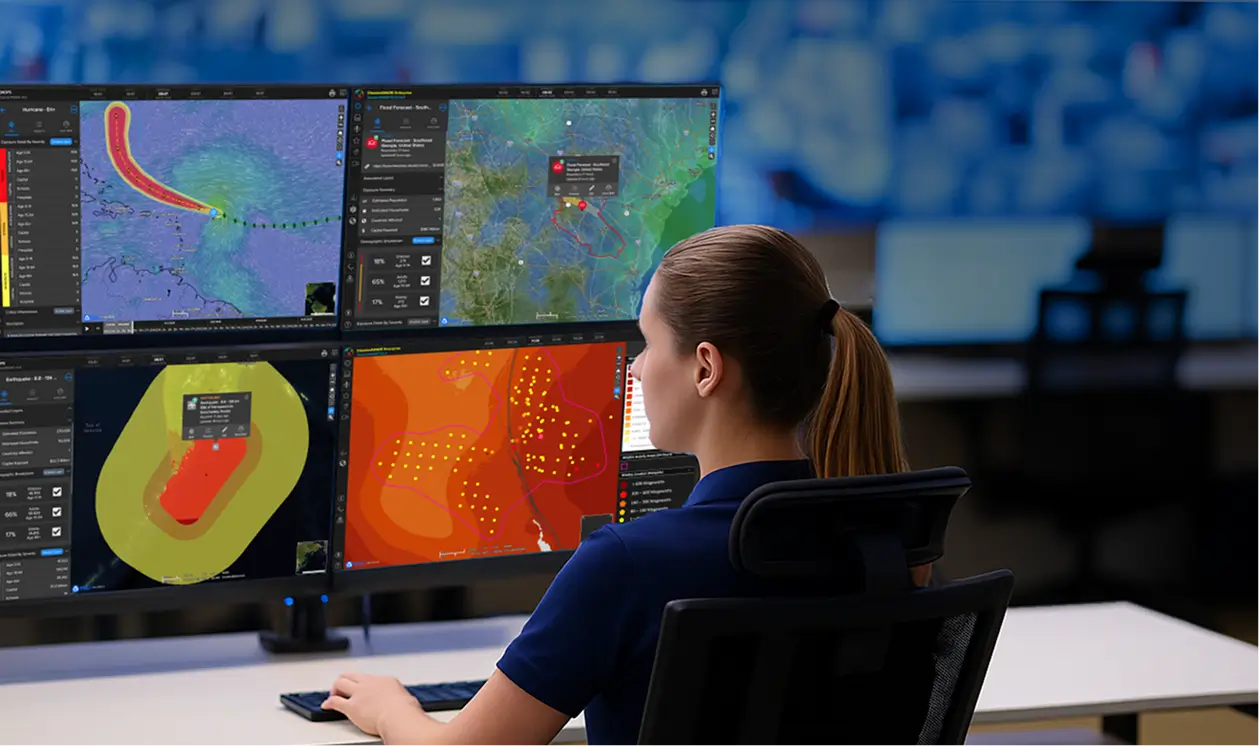
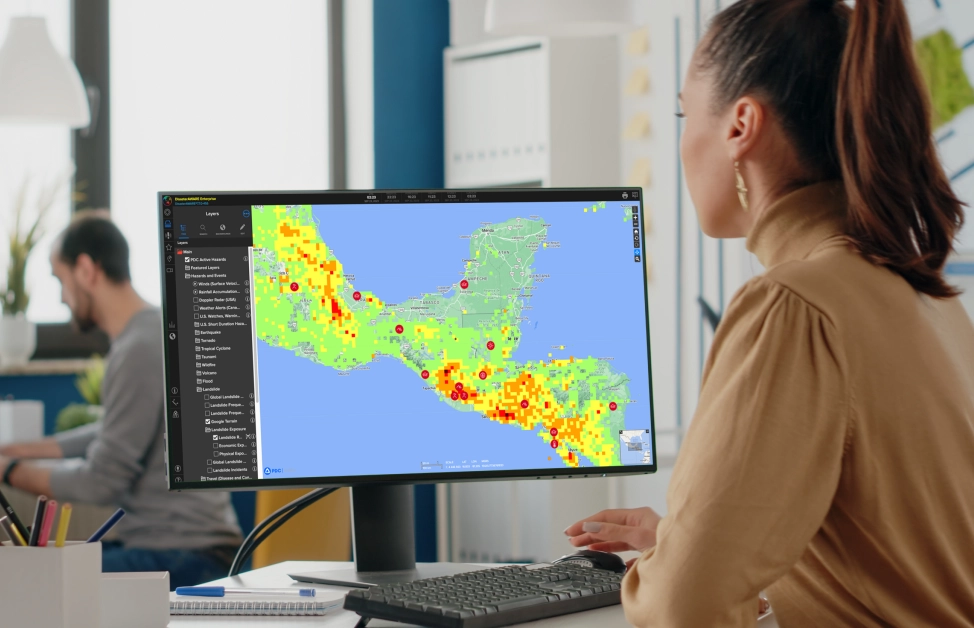
TURN DATA INTO DECISIONS. RESPOND TO DISASTERS WITH PRECISION AND SPEED.

Transform Global Hazard Data into Actionable Strategies

Hero benner img

The Event Intelligence Platform

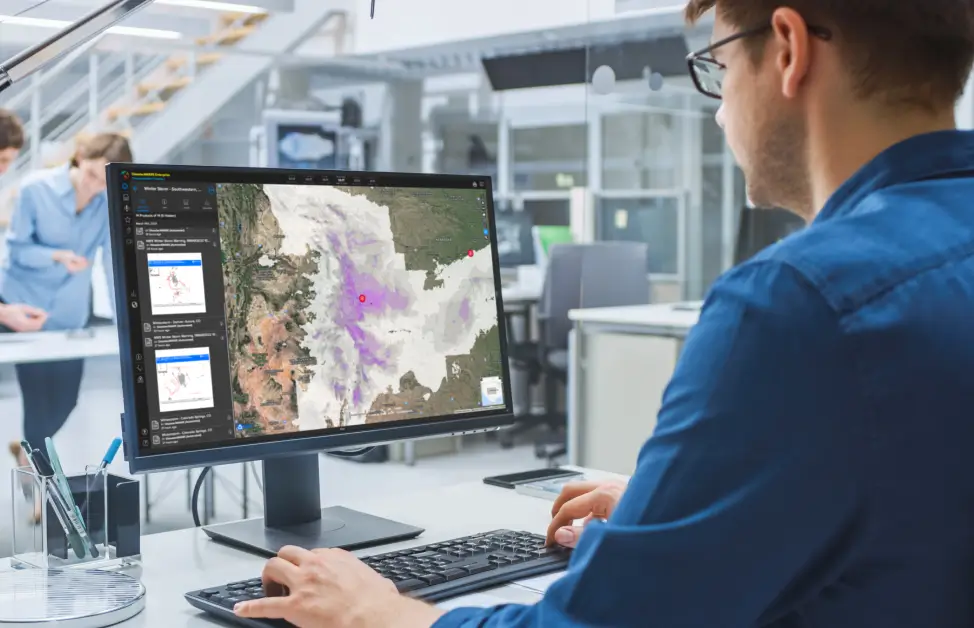
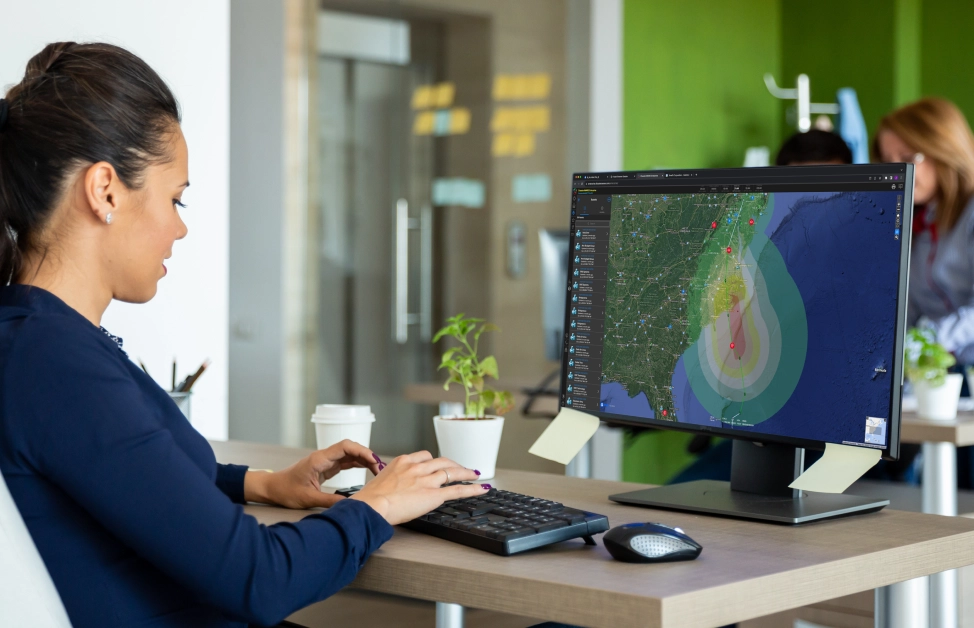
Real-time monitoring, historical catastrophe intelligence, event footprints, early warning, and AI-powered impact analysis for insurers, enterprises, governments, and technology platforms.

Homepage banner

Trusted by Organizations That Need To Understand What's Happening — And What To Do Next

Read Their Stories
Protect people and assets

Understand What's Happening

Monitor disasters, catastrophes, severe weather, infrastructure disruptions, and emerging risks worldwide through a single intelligence platform.

Protect people and assets

Understand What's Impacted

Identify exposed facilities, suppliers, employees, customers, and critical infrastructure before, during, and after events.

Protect people and assets

Understand What To Do Next

Move beyond alerts with impact assessments, predictive analytics, operational workflows, and AI-powered recommendations.

Intelligence Briefings & Operational Insights

Flames climb through a conifer forest under an orange, smoke-filled sky on the August Complex fire, California's largest recorded wildfire, in September 2020.
October 13, 2026

Largest Wildfires in US History by Acres — and the Biggest in Every Western State (Mapped)

Every US wildfire of 500,000+ acres since 1950 in the national records, ranked by final size and mapped: Kateel River, Smokehouse Creek, Dixie, Morrill, Big Grass. Plus each western state's record, the pre-1950 giants, and the deadliest fires.
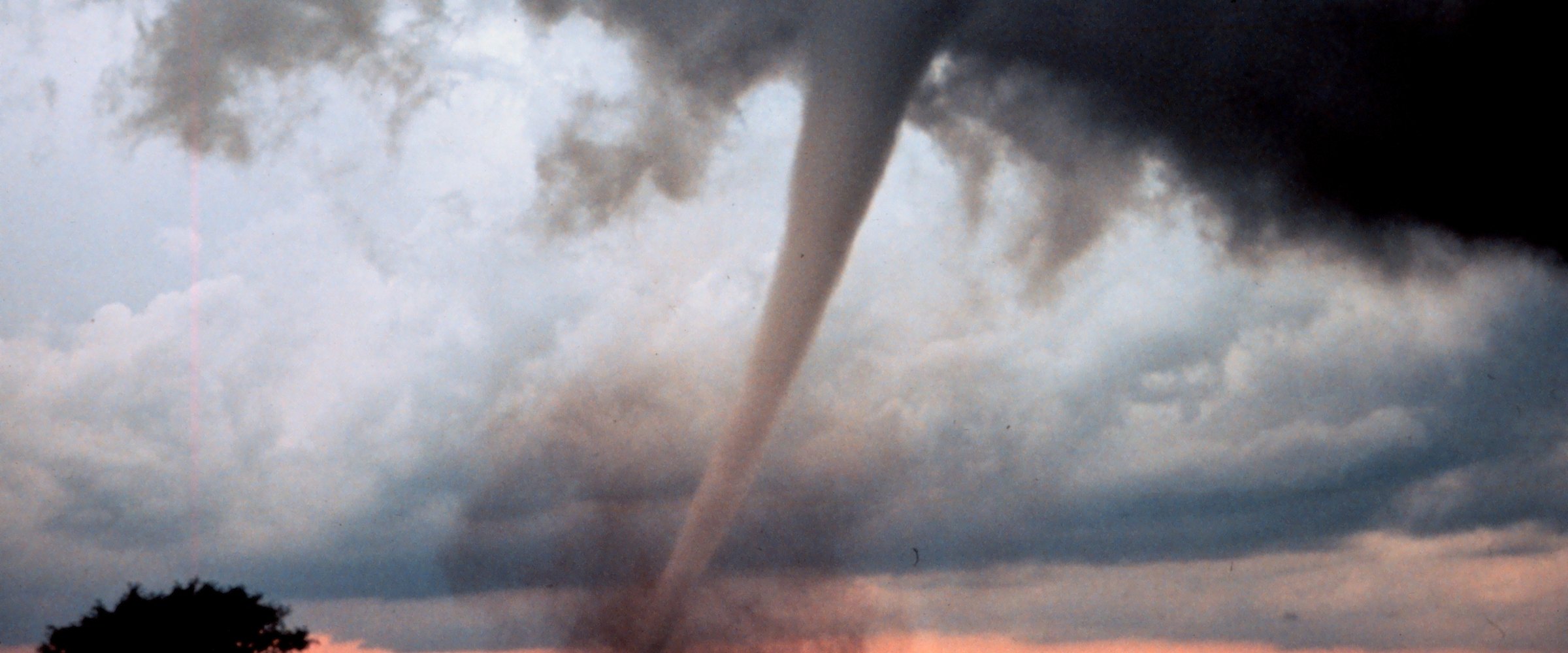
An aerial view of Moore, Oklahoma, after the May 20, 2013 tornado: whole neighbourhoods flattened to debris along a straight track, with cars lining the streets.
October 13, 2026

The Worst Tornadoes in US History: Deadliest, Widest, Longest-Tracked (Mapped)

The worst tornadoes in US history, ranked and mapped: the deadliest since 1840, the deadliest, widest and longest-tracked since records began in 1950, the worst tornado in 28 states, and what single tornadoes cost insurers.
A park volunteer drinks from a water bottle beside the Furnace Creek Visitor Center thermometer in Death Valley, which reads 124°F.
October 13, 2026

Deadliest Heat Waves in US History, Including the 2021 Pacific Northwest Heat Dome

The deadliest heat waves in US history: 1936, 1980, Chicago 1995, the 2021 Pacific Northwest heat dome and Phoenix 2023, with each death toll's basis stated, station records and maps of how far temperatures ran above normal.
View All Insights
arrow white
See how good our data is for yourself.

Experience The Intelligence Behind Better Decisions

See how DisasterAWARE helps organizations monitor emerging events, assess exposure, and accelerate operational response.

See DisasterAWARE Intelligence In Action

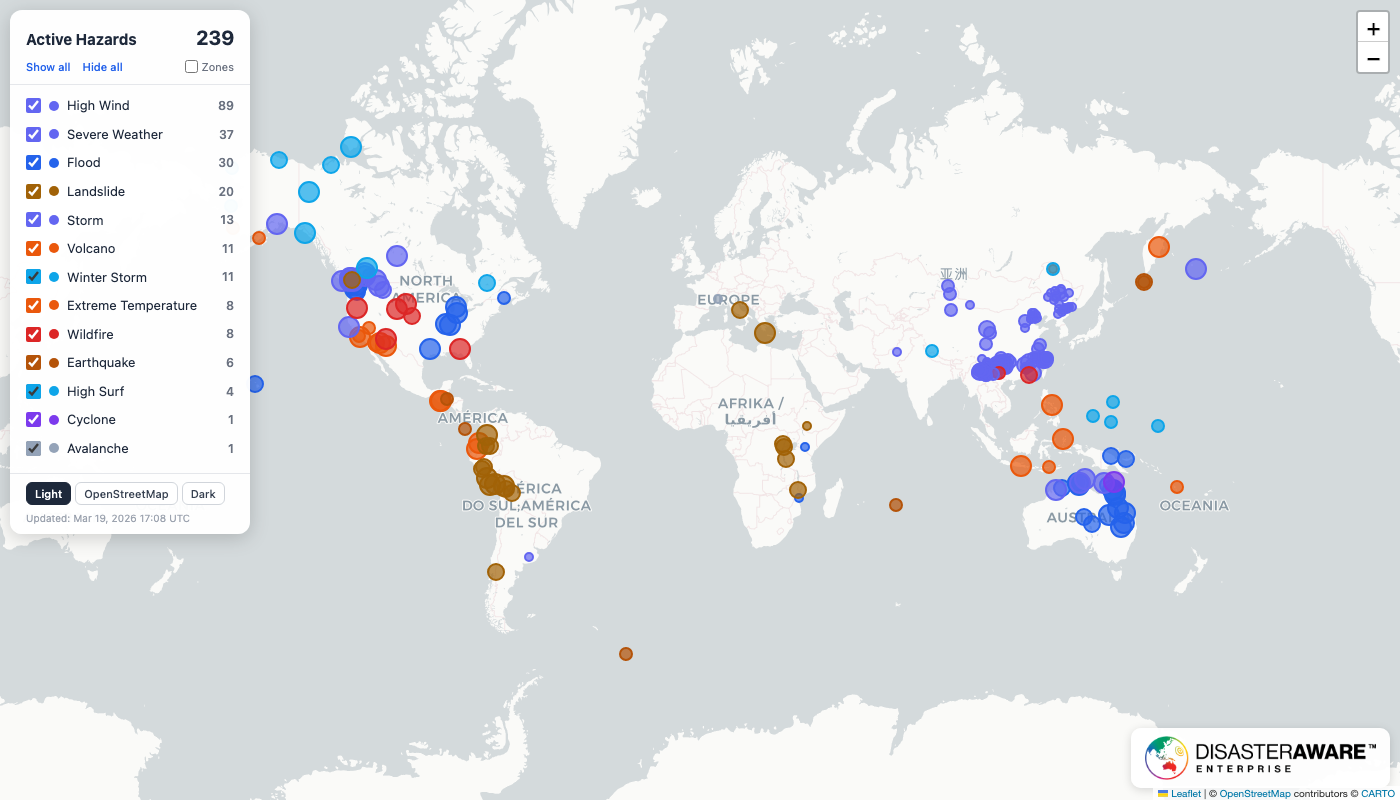
Explore live hazards, active disasters, exposure intelligence, and risk scores powered by the same intelligence trusted by leading enterprises, insurers, governments, and risk intelligence providers.
Our real-time, interactive site delivers live earthquake, flood, wildfire, and storm data — plus city-level risk scores for major cities.

Explore Live Hazards
Explore map hero

Turn Events Into Decisions

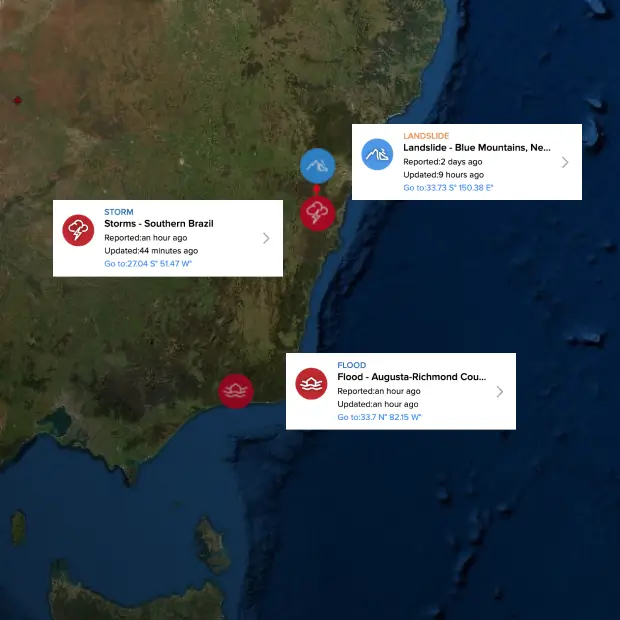
We transform millions of signals from government agencies, satellites, weather providers, scientific organizations, and news sources into decision-ready intelligence.

curated hazards image

See What's Happening Now — and What Happened Before

Monitor emerging events while leveraging decades of enriched historical catastrophe intelligence for planning, validation, and analytics.

modeled data image

Understand Who and What Is Affected

Understand who and what may be affected — including facilities, suppliers, employees, customers, infrastructure, and communities.

smart alerts image

Power Applications, AI, and Workflows

Power applications, AI agents, dashboards, workflows, and analytics platforms with structured event intelligence.

Flexible Deployment Optionsrds image

Move From Awareness to Action

Turn awareness into action through alerts, workflows, monitoring, response coordination, and resilience planning.

asset protection image

Our Customer Stories

Showcasing real-world impact, use cases, or client success stories related to disaster response, preparedness, and resilience building

Why Choose DisasterAWARE

A Framework to Drive
Your Best Practices

Key Facts About
DisasterAWARE

01

30+ Hazard Types (Natural & Man-Made)

02

30+ Years Historical Intelligence (With Event Evolution)

03

300+ Geospatial Intelligence Layers

04

Global Coverage

05

Real-Time + Predictive Intelligence

06

API + SaaS Delivery

07

AI-Ready Intelligence

08

Exposure Monitoring

09

Built on Pacific Disaster Center Science

Why Organizations Choose DisasterAWARE

Organizations face increasing disruption from natural disasters, severe weather, climate-related events, infrastructure failures, geopolitical incidents, and operational risk.

Yet critical intelligence is often fragmented across weather feeds, government alerts, news sources, mapping systems, and internal teams.

DisasterAWARE helps organizations understand:

By combining real-time event intelligence, historical catastrophe data, geospatial intelligence, exposure analytics, and AI-powered insights, DisasterAWARE helps organizations make faster, more informed decisions before, during, and after disruptive events.
Business Outcomes

How DisasterAWARE Is Different

Many organizations rely on weather applications, government alerts, fragmented data sources, or multiple vendors to understand risk. DisasterAWARE provides a unified intelligence layer that transforms events into decisions.

Traditional Approaches

DisasterAWARE

Monitor events

Monitor events, exposure, impacts, and risk

Focus on a single hazard or geography

Multi-hazard, global coverage

Deliver raw alerts

Decision-ready intelligence

Require multiple vendors

One unified intelligence platform

Provide limited historical context

Real-time + historical intelligence

Show where an event occurred

Understand who and what is impacted

Most providers tell you what happened. DisasterAWARE helps you understand what happened, why it matters, and what to do next.

Built For Modern Organizations

Access Real-Time Information

‍and Manage Hazards as They Unfold

One Platform. Four Intelligence Products.

Understand What's Happening. Know What It Means. Decide What To Do Next.

DisasterAWARE transforms real-world events into operational intelligence for enterprises, governments, insurers, and technology platforms.